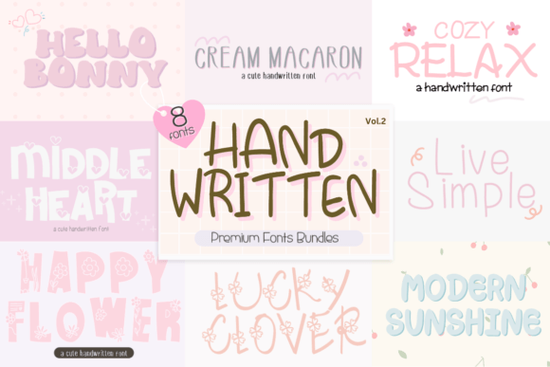
Finding the right typeface can make or break a creative project, especially when you want a personal, hand-drawn feel without sketching letters from scratch. The Handwritten Bundle Font gives designers, crafters, and small business owners a ready-to-use collection of modern, minimalist scripts that work across print and digital formats. Instead of hunting for individual typefaces that might clash, you get a coordinated set built for posters, greeting cards, invitations, headers, and custom lettering.
What makes a handwritten font work for print and digital projects?
Not all script typefaces translate well to different mediums. Some lose detail when scaled down, while others become hard to read on screen. A well-crafted handwritten style keeps consistent stroke weight, clear character spacing, and balanced proportions. When you pick a bundle that focuses on modern minimalism, you avoid overly decorative swirls that often cause printing issues. This matters for print-on-demand sellers who need crisp results on apparel and mugs, as well as hobbyists designing digital planners.
Readability should always come first. Look for fonts that include proper kerning pairs and multilingual support. Clean lines and subtle imperfections mimic real pen strokes while keeping the text professional.
Which projects benefit most from this style?
Hand-drawn typefaces shine when you want to add warmth to straightforward layouts. Here are practical ways to use them:
- Invitations and cards: Pair a flowing script with a simple sans-serif body font to keep the message clear.
- Packaging and labels: Use minimalist handwritten headers to give handmade goods a boutique feel.
- Social media graphics: Large display titles stand out when letterforms have natural rhythm and balanced spacing.
- Logos and watermarks: A clean handwritten mark works well for photographers and craft shops.
If you prefer a structured alternative for body text, you might explore a clean geometric style to balance the organic feel of your titles. For softer projects, flowing script alternatives complement minimalist headers nicely. When your design needs stronger visual weight, bold display choices anchor the layout without overwhelming the handwritten elements.
How do I install and pair these typefaces correctly?
Installation is straightforward. Download the zip file, extract the OTF or TTF files, and double-click to install. Most software, including Canva, Illustrator, and Cricut Design Space, recognizes new fonts after a quick restart. If you use a cutting machine, convert text to outlines first to avoid missing glyph errors.
Pairing handwritten fonts works best with a simple contrast rule. Use the script for titles or short accents, and keep paragraphs in a readable sans-serif. Avoid stacking two decorative scripts. If you want playful character sets, whimsical lettering options add a lighthearted vibe to party supplies. For a refined finish, elegant handwriting alternatives work beautifully on wedding stationery.
What should I check before downloading a font bundle?
Not every collection includes the same licensing terms or file formats. Verify these details before designing:
- License type: Confirm whether the bundle covers personal, commercial, or print-on-demand use.
- File formats: OTF and TTF work for desktop design. WOFF files are required for website embedding.
- Character set: Check for punctuation, numbers, and accents to prevent broken text.
- Compatibility: Ensure the typefaces run smoothly in your preferred editing tools.
How can I get the most out of a handwritten font collection?
Using script typefaces effectively comes down to restraint. Stick to one or two handwritten styles per project, and let white space do the heavy lifting. Adjust tracking manually if default spacing feels tight, especially with all-caps titles. Test your design at actual print size before exporting, and preview on mobile if the graphic will live online.
Quick next steps before you start designing:
- Install the font files and restart your design software.
- Test a short phrase at different sizes to verify readability.
- Pair the handwritten title with a neutral body font for contrast.
- Check your license terms for commercial or print-on-demand sales.
- Export a test mockup to catch spacing issues early.
Once you confirm these details, you can move straight into layout work and keep your creative process focused on the final result.
Explore Design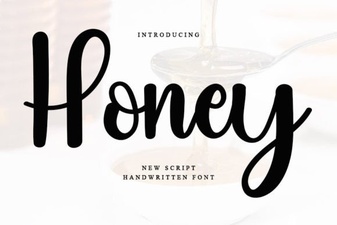 Honey Font: Creative Typography for Modern Projects
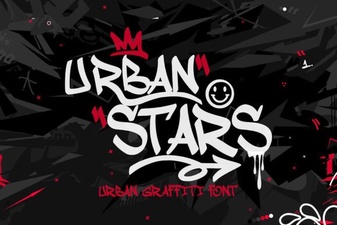 Urban Stars Font for Creative Web Projects
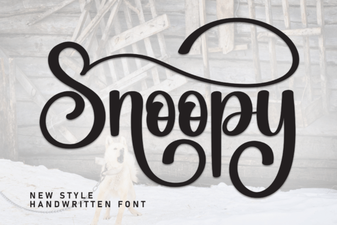 Snoopy Font: Creative Ideas for Fun Projects
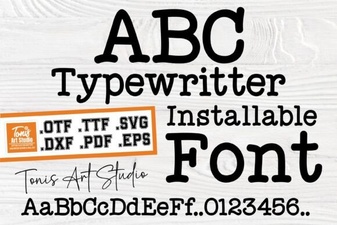 Modern Typography: Using the Ab Typewriter Font
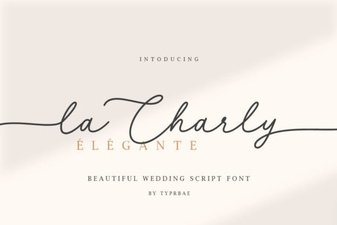 La Charly Font: Design with Playful Elegance
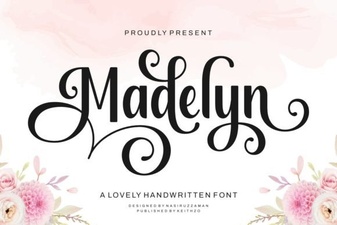 The Madelyn Font: a Design Guide