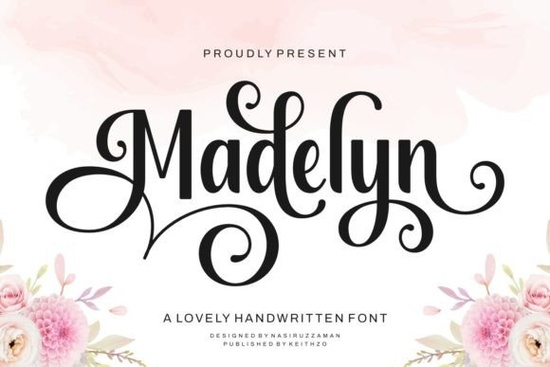
If you need a typeface that feels like it was written by hand but still keeps clean readability, Madelyn Font is a reliable choice for everyday design work. It uses soft curves and relaxed letterforms to give greeting cards, wedding invitations, and small business packaging a warm, personal touch. Because the strokes are gentle and the spacing is well balanced, you can use it for both short headlines and longer quotes without worrying about legibility. Designers, crafters, and print-on-demand sellers often look for this kind of handwritten script when they want to add character without overwhelming the layout.
What makes this handwritten style stand out?
Some script typefaces lean too heavily into decoration, which often reduces readability at smaller sizes. Madelyn takes a simpler approach. The letterforms stay grounded, with natural variations that mimic real pen strokes rather than rigid digital lines. This means your text will look approachable, whether you are printing on thick cardstock or uploading a design to a print-on-demand platform. The consistent baseline and moderate contrast also help keep words clear when you scale them down for stickers or social media graphics.
If you enjoy working with fonts that feel organic but still behave well in design software, you will notice how smoothly the characters connect. The rhythm of the alphabet makes it easy to create cohesive branding for boutique shops or seasonal marketing materials. When you want something with a similar relaxed vibe but a slightly different texture, you might also browse options like a soft brush script or a casual marker style to see how different stroke weights change the mood of your layout.
Which projects actually benefit from a handwritten typeface?
Not every design needs a script font, but certain formats rely on that personal feel to connect with customers. Here is where a warm handwritten font typically performs best:
- Greeting cards and invitations: The gentle curves add a welcoming tone to birthdays, weddings, and holiday notes.
- Product packaging and labels: Small businesses use handwritten styles to make handmade goods feel authentic.
- Print-on-demand apparel and mugs: Short quotes, names, and dates look natural when the lettering mimics real handwriting.
- Social media quotes and blog graphics: A friendly script draws the eye without competing with photos.
When you are building a collection of typefaces for different moods, it helps to keep a few alternatives on hand. For example, a clean monospace like a vintage typewriter style works nicely for body text, while a modern display script can handle bold headlines when you need more contrast.
How do you access the extra glyphs and ligatures?
One of the most practical features of this typeface is that it is PUA encoded. You do not need specialized design software to reach the alternate characters, swashes, and ligatures. If you are working in Cricut Design Space, Silhouette Studio, or basic word processors, you can open your system’s character map and copy the glyphs directly into your project. This saves time when you are customizing names on invites or adding decorative flourishes to a logo.
To get the most out of the ligatures, try typing common letter pairs like th, st, or oo and watch how the connections smooth out. If a specific combination looks too tight, add a small amount of tracking or switch to a standard alternate. Keeping a light touch with spacing usually preserves the handwritten rhythm. You can explore more about how Madelyn Font handles these details on the official product page, where you will also find installation guides and licensing notes.
What should you pair it with for balanced layouts?
Script fonts work best when they have room to breathe and a simple partner to ground the design. Pairing a handwritten typeface with a clean sans serif or a straightforward serif creates clear visual hierarchy. Use the script for names, short headlines, or accent words, and let the secondary font handle paragraphs and fine print. This keeps your design readable and prevents the page from feeling cluttered.
If you like experimenting with font combinations, try matching this style with a playful duo font when you need both a script and a matching print version in one package. Test your pairings at actual print size before finalizing, especially if you are preparing files for commercial products. Small adjustments to line height and letter spacing often make the difference between a polished layout and one that feels rushed.
Before you send your design to print or publish it online, run through this quick checklist:
- Install the font files correctly and restart your design software so all glyphs load properly.
- Check spelling and ligature connections at 100% zoom to catch awkward spacing.
- Test the typeface on your actual material to verify readability at the final size.
- Confirm your license covers the intended use, especially for print-on-demand or client projects.
- Save a version with outlined text if you are sending files to a third-party printer.
Take a few minutes to set up a simple template with your preferred font pairing, spacing rules, and color palette. Once you have a repeatable workflow, creating invitations, labels, and social graphics will feel much faster and more consistent.
Try It Free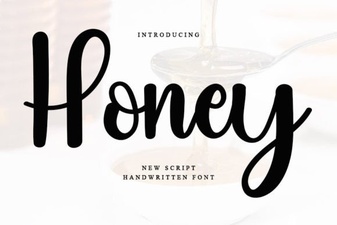 Honey Font: Creative Typography for Modern Projects
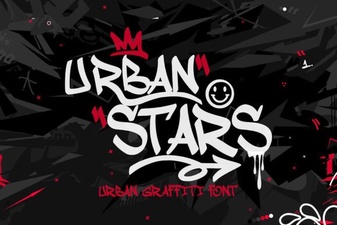 Urban Stars Font for Creative Web Projects
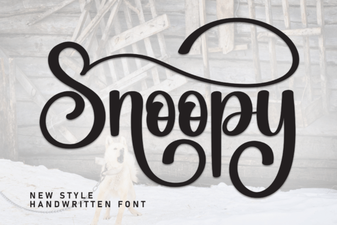 Snoopy Font: Creative Ideas for Fun Projects
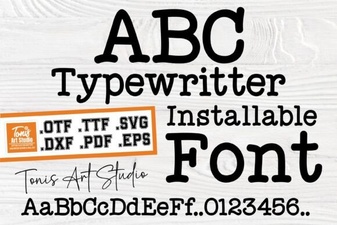 Modern Typography: Using the Ab Typewriter Font
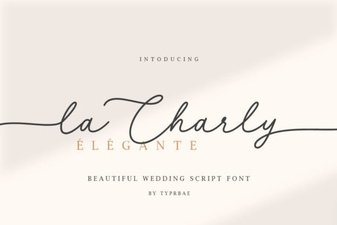 La Charly Font: Design with Playful Elegance
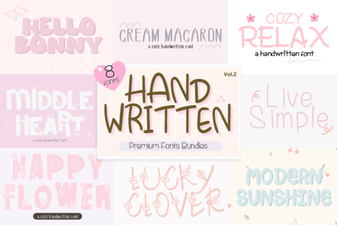 Creative Projects with Handwritten Bundle Fonts