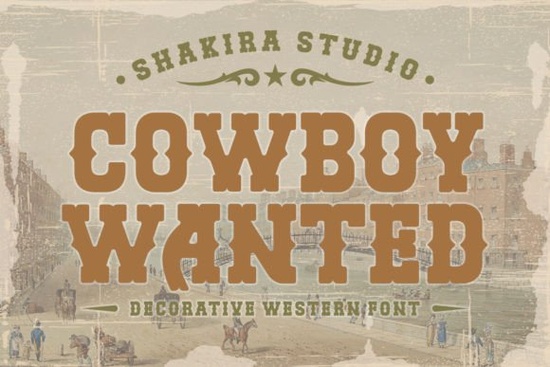
If you are looking for a typeface that captures that weathered, frontier feel without looking dated, the Cowboy Wanted Font delivers exactly that. It is a retro serif designed with sweeping strokes and slightly uneven edges that mimic vintage wood type and old saloon signage. Designers, crafters, and print-on-demand sellers use it when they need a strong western vibe that still reads cleanly on screens and printed merchandise.
What makes this western serif font work for modern projects?
The strength of this typeface lies in how it balances rugged character with practical readability. Each letter carries deliberate imperfections, like softened corners and varied stroke weights, which give it that hand-stamped look. Instead of relying on heavy distress filters, the font builds texture directly into the glyph shapes. That means you can scale it up for a large poster or shrink it for a product label without losing the western charm. The spacing is also tuned for display use, so you will not need to spend extra time adjusting kerning for headlines or short phrases. When you want that authentic frontier aesthetic, you can explore more options in our collection of western-inspired decorative typefaces to see how different serif styles compare.
Which design projects fit a retro western typeface best?
This style shines when you keep the message short and bold. Think event posters, craft fair signage, t-shirt graphics, and branded packaging for small batches of goods. Print-on-demand sellers often pair it with simple illustrations like boots, horseshoes, or desert landscapes to create quick, high-converting listings. Crafters working with vinyl cutters or laser engravers appreciate how the thick serifs hold up during weeding and cutting. If you are designing wedding invitations for a rustic celebration, the font adds personality to names and dates while leaving the body text to a cleaner sans serif. For seasonal projects that need a softer touch, you might also browse our floral decorative font selections to balance out heavier display letters.
How do you pair and format rugged display fonts effectively?
Western serifs carry a lot of visual weight, so they work best when given room to breathe. Limit your use to three to five words per line, and keep the rest of your layout simple. Pair the display type with a neutral sans serif or a light slab serif for paragraphs and fine print. When setting colors, stick to earthy palettes like burnt orange, deep brown, cream, and faded denim blue. If you plan to cut the design on a Cricut or Silhouette machine, convert the text to outlines first and check that the inner counters are wide enough for your material thickness. Designers who prefer a more organic feel often combine structured serifs with our sketch-style lettering options to create layered, mixed-media compositions. You can also preview how Cowboy Wanted Font renders across different mockups before committing to a final layout.
What should you check before downloading a decorative font?
Decorative typefaces look great in previews, but a few quick checks will save you time later. First, verify the file formats included in the download. Most modern design workflows need OTF or TTF files, and some cutting software prefers WOFF or SVG alternatives. Second, review the licensing terms carefully. Personal use covers hobby projects and practice files, but commercial licenses are required for anything you sell, including digital templates, physical crafts, and print-on-demand items. Third, test the font at the actual size you plan to use. Display fonts often lose detail below twenty points, so run a quick print test or export a low-resolution PNG to see how the edges hold up. Finally, check for alternate characters or ligatures. Some western fonts include swashes, alternate serifs, or punctuation variations that can change the entire mood of your layout.
- Test at final size: Print or export a sample to confirm readability before finalizing your design.
- Check licensing: Match your intended use with the correct commercial or personal license tier.
- Limit word count: Keep headlines under six words to maintain that bold, vintage impact.
- Pair wisely: Use a clean, lightweight font for body text to avoid visual clutter.
- Prepare for cutting: Convert text to paths and weld overlapping letters if you are using vinyl or laser materials.
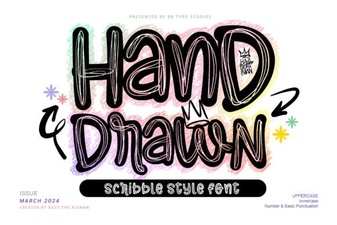 Hand Drawn Fonts: Creative Design and Usability Guide
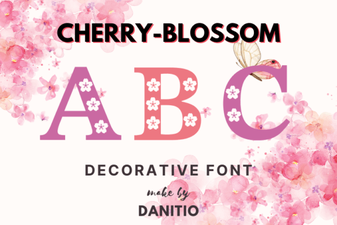 Capture Spring's Elegance with Cherry Blossom Fonts
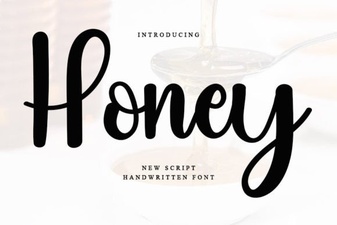 Honey Font: Creative Typography for Modern Projects
 Groovy Font Guide: Creative Design Projects & Tips
 A Fun & Flair Font for Strawberry Shortcake Projects
 Creative Projects Using Bubble Dot Rainbow Font