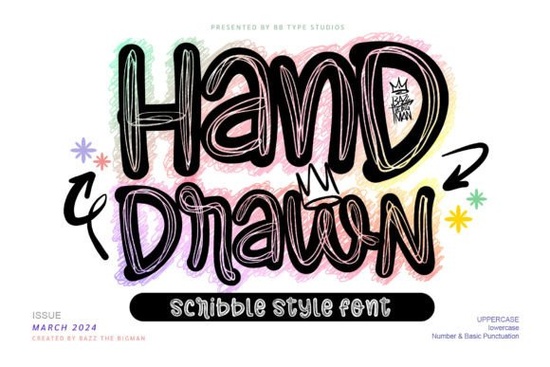
If you need a typeface that feels like it was sketched with a real pencil, the Hand Drawn Font delivers exactly that casual, approachable look. Designers, crafters, and print-on-demand sellers often reach for this style when they want to soften a layout or add a friendly vibe to children’s books, classroom materials, or party stationery. Instead of rigid geometric shapes, you get uneven baselines, organic stroke widths, and a slightly scribbled texture that reads as genuinely human. That small imperfection is what makes it so effective for projects that need to feel warm and unpolished in the right way.
What makes a scribbled typeface work for playful projects?
Playful designs rely on visual cues that signal creativity and ease. A hand-sketched letterform naturally breaks the grid, which helps your layout feel less corporate and more personal. The irregular edges and varied character heights in this font mimic actual marker or pencil strokes, so it pairs nicely with watercolor backgrounds, doodle illustrations, or kraft paper textures. When you are designing for kids or family-focused brands, that informal rhythm helps readers relax. It also works well for short headlines, quote graphics, or product labels where you only need a few words to carry the mood. If you usually browse our collection of sketch-style lettering, you will notice how these organic details keep the eye moving without overwhelming the message.
Where does this style fit best in your design workflow?
This typeface shines in projects that benefit from a relaxed, handmade aesthetic. Think birthday invitations, baby shower announcements, classroom posters, and children’s book covers. Print-on-demand sellers often use it on toddler t-shirts, sticker sheets, and nursery wall art because the casual strokes photograph well on textured fabrics and matte paper. Small businesses selling digital planners or teacher resources also find that a scribbled heading adds personality without sacrificing readability. When you need a slightly different mood, you might explore a soft floral-inspired lettering set for spring campaigns, or switch to a rustic western-style typeface for outdoor or vintage-themed merchandise. Keeping a few decorative options in your library lets you match the exact tone of each client brief.
How do you pair a casual script with other typefaces?
The trick to using informal lettering successfully is balance. Because the characters already carry a lot of visual texture, you should pair them with clean, neutral sans-serifs or simple slab serifs for body copy. Let the hand-sketched font handle titles, short taglines, or accent words, and keep paragraphs in a highly readable workhorse typeface. Pay attention to letter spacing as well. Decorative fonts often look tighter than they actually are, so adding a small amount of tracking can prevent the scribbled edges from colliding. Test your layout at different sizes before exporting, especially if you plan to print on fabric or textured cardstock. You can preview how the Hand Drawn Font renders across different mockups to catch spacing issues early.
What should you check before adding it to a commercial project?
Licensing and file compatibility matter just as much as aesthetics. Make sure you download the complete character set, including punctuation, numbers, and any alternate glyphs that might be included. Verify that the license covers your intended use, whether that is digital downloads, physical merchandise, or client work. If you are cutting vinyl or preparing files for a Cricut or Silhouette machine, convert the text to outlines first so the cutting software reads the paths correctly. For screen printing or direct-to-garment orders, request a high-resolution PNG with a transparent background, or export your design as a vector PDF to keep the edges crisp. Finally, run a quick print test on your actual material. Ink absorption and fabric weave can soften thin strokes, so you may need to bold the text slightly or increase the contrast against your background.
Quick pre-launch checklist:
- Confirm the commercial license matches your sales channel
- Pair the sketch style with a clean sans-serif for body text
- Add slight tracking to prevent overlapping scribble edges
- Export as vector or high-res PNG before sending to print
- Run a material test to check stroke visibility on fabric or paper
Start by typing your main headline in the new typeface, adjust the spacing until the words breathe, and save a reusable template for your next batch of playful designs.
Download Now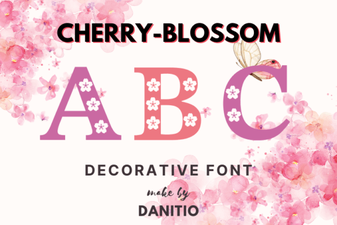 Capture Spring's Elegance with Cherry Blossom Fonts
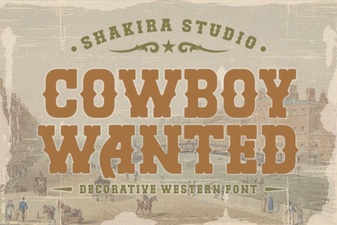 Cowboy Wanted Fonts for Authentic Western Designs
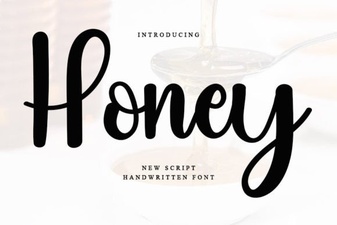 Honey Font: Creative Typography for Modern Projects
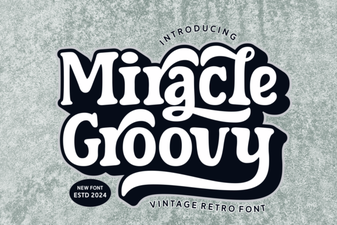 Groovy Font Guide: Creative Design Projects & Tips
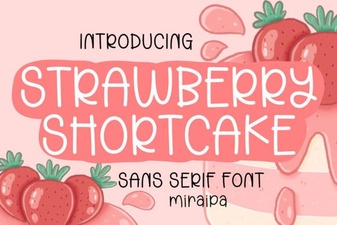 A Fun & Flair Font for Strawberry Shortcake Projects
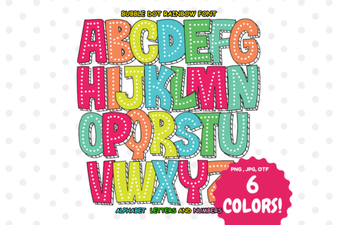 Creative Projects Using Bubble Dot Rainbow Font