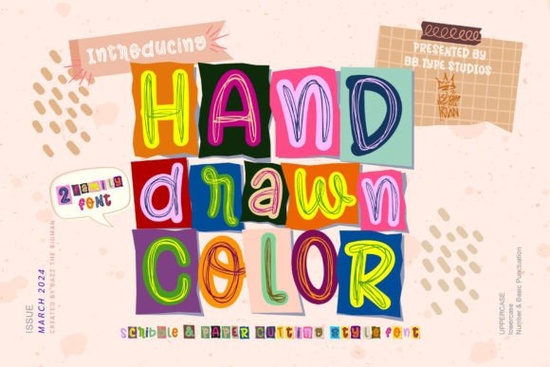
If you need a typeface that feels like it was sketched with markers on a quiet weekend, Hand Drawn Color Font delivers exactly that. It is a two-color font family built around a loose, scribbled style that reads as friendly and approachable. Designers, crafters, and print-on-demand sellers often reach for this kind of lettering when they want to speak directly to kids, parents, or anyone who appreciates a lighthearted vibe. Instead of forcing a polished look, this font leans into imperfect strokes and layered color fills, which saves you time when you are building posters, book covers, or party invitations.
What makes this typeface work for playful projects?
The answer comes down to how the letters are constructed. Each character carries a hand-drawn outline paired with a separate color layer, so you get visual depth without manually stacking shapes in your design software. That two-color setup means you can swap the fill and stroke to match your brand palette or seasonal theme in just a few clicks. For small business owners creating classroom decor or boutique packaging, the scribbled edges keep the layout from feeling too rigid. You also get consistent spacing across uppercase and lowercase sets, which matters when you are aligning text on curved mockups or small product tags.
Where does it fit best in your design workflow?
This lettering style shines when you give it room to breathe. Use it for short headlines, product names, or quote graphics rather than long paragraphs. The layered color effect reads clearly at medium to large sizes, making it a reliable pick for t-shirt prints, nursery wall art, and event signage. If you are building a collection of seasonal graphics, you might rotate between this sketchy style and a more structured option like the patriotic display typeface when you need a cleaner baseline for holiday sales. For baby showers or classroom rewards, the soft edges pair nicely with simple icons and watercolor backgrounds.
How to pair it with other decorative typefaces?
Mixing playful fonts can quickly turn messy if you do not set clear boundaries. A good rule is to let the scribbled letters handle the main message while a simpler sans serif or a rounded script supports the details. When you are testing combinations, try placing a rounded handwritten style underneath for subtitles, or swap in a dotted display option for accent words that need extra pop. If your project calls for a touch of shine on digital mockups, a metallic decorative typeface can work for small badges or price tags without competing with the main headline. Keep the hierarchy obvious: one expressive font, one neutral support, and plenty of white space.
What should you check before downloading?
Color fonts behave differently than standard single-layer typefaces, so verify software compatibility first. Programs like Adobe Illustrator, Photoshop, and recent Canva versions support multi-color OpenType features, but older editors may only show the base outline. Always test a short phrase at your final print size. Check how the two layers render on light and dark backgrounds, since contrast shifts the perceived weight. If you plan to sell physical items, run a test print to see how ink handles the textured edges. For a quick reference on how this style compares to other market options, you can browse Hand Drawn Color Font and review the character set, licensing terms, and file formats before adding it to your toolkit.
How to get the most out of the two-color layers?
The built-in color separation is the main time-saver here. Instead of manually duplicating text and offsetting shapes, you can adjust the fill and stroke directly in your typography panel. Try these quick adjustments to keep your layouts fresh:
- Swap the inner fill to a pastel shade and keep the outline dark for high readability on busy backgrounds.
- Use a monochrome palette when printing on budget-friendly cardstock to avoid color banding.
- Add a subtle drop shadow only to the base layer, not the fill, so the sketch effect stays crisp.
- Test reversed colors for night-mode digital previews or dark apparel mockups.
These small tweaks keep the hand-drawn feel intact while adapting to different materials and screen sizes. If you are exploring more layered type options for future campaigns, the matching collection page often includes updated weights and seasonal add-ons that follow the same construction rules.
Before you finalize your next project, run through this quick setup checklist:
- Confirm your design software supports multi-color OpenType fonts.
- Set the headline size between 48pt and 120pt for clear layer separation.
- Pick one accent color that matches your brand or seasonal theme.
- Pair with a plain sans serif for body text and contact details.
- Export a test PNG and a print-ready PDF to check edge rendering.
Adjust the colors, run a quick mockup, and you will have a layout that feels hand-crafted without the extra production time.
Explore Design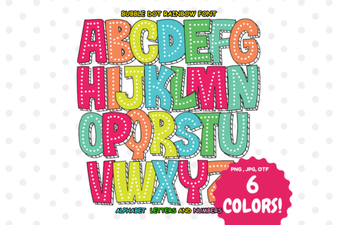 Creative Projects Using Bubble Dot Rainbow Font
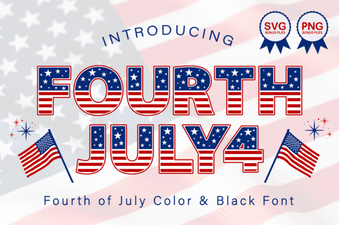 Classic Americana Fonts for Patriotic Designs
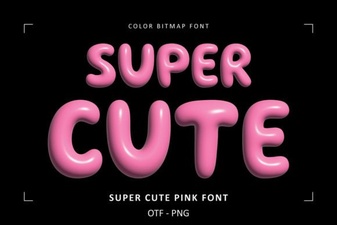 Super Cute Font Designs & Creative Project Ideas
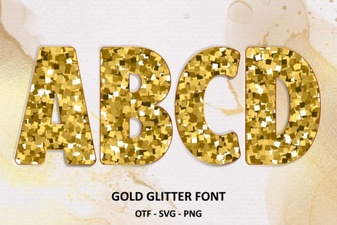 Golden Elegance: a Glitter Font Design Guide
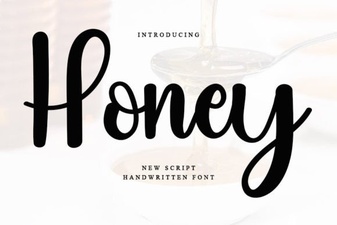 Honey Font: Creative Typography for Modern Projects
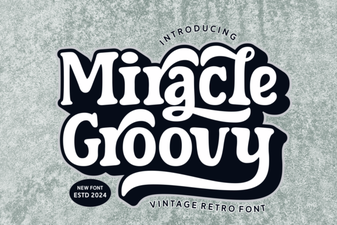 Groovy Font Guide: Creative Design Projects & Tips