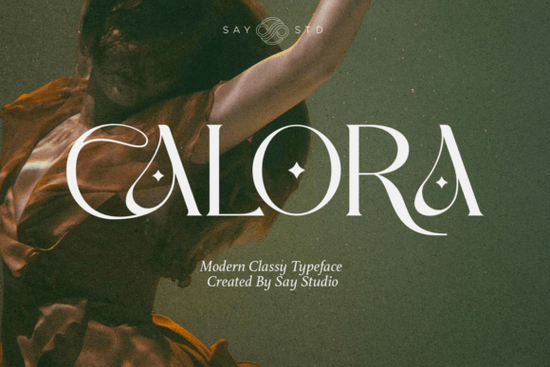
If you are looking for a typeface that balances soft curves with a refined structure, Calora Font delivers exactly that. This serif typeface brings a playful elegance to the page without losing its professional composure. Designers, small business owners, and crafters often struggle to find lettering that feels both approachable and upscale. Calora solves that problem by offering smooth, flowing characters that read clearly at multiple sizes while keeping a distinct, high-end personality.
What makes this serif typeface stand out?
The charm comes from carefully drawn curves and balanced weight distribution. Unlike rigid traditional serifs, the letterforms have a gentle rhythm that catches the eye without feeling overly decorative. The uppercase letters carry a confident presence, while the lowercase set maintains a soft, readable flow. When you work with serif fonts for branding or print, legibility and mood matter equally. The subtle contrast between thick and thin strokes gives your text a polished finish. If you enjoy exploring other refined options, you might also want to browse through a curated collection of serif typefaces that share this same balanced aesthetic.
Where does it work best in real projects?
This typeface shines in applications where tone and visual hierarchy are important. Fashion labels, cosmetic packaging, and women’s editorial layouts benefit from its graceful structure. It also performs well on invitation suites, art prints, and modern advertising campaigns that require a clean yet expressive voice. Print-on-demand sellers frequently use it for quote posters and tote bags because the characters remain crisp when scaled down.
Small business owners can apply it to:
- Logo marks that need a luxury feel without heavy embellishment
- Product labels for skincare, candles, or handmade goods
- Event stationery like wedding invites, menus, and place cards
- Book covers and chapter titles that require a classic yet fresh look
The key is restraint. Let the font breathe with adequate spacing, and avoid pairing it with busy backgrounds or competing decorative elements.
How do I pair it with other typefaces?
Pairing serifs correctly prevents your layout from feeling cluttered. Since this font already carries personality, match it with a neutral sans serif for body copy or supporting text. A clean geometric or humanist sans will ground the design while allowing the serif to take center stage. If you prefer staying within the serif family for a cohesive editorial vibe, you can test combinations with complementary serif designs that offer a slightly different weight or contrast.
Keep these pairing principles in mind:
- Use the serif for headlines, subheads, or short pull quotes.
- Reserve the sans serif for longer paragraphs and fine print.
- Avoid mixing more than two type families in a single layout.
What should I check before downloading?
Before adding any font to your toolkit, verify the file formats and licensing terms. Most professional typefaces include .OTF and .TTF files, along with web font options if you plan to use them online. Check whether the license covers commercial use, especially if you are selling physical products or digital templates. You can preview the full character set and licensing details for Calora Font directly on the marketplace. Always test a few sample words in your actual project file before committing, since screen rendering and print output can sometimes reveal spacing differences.
How do I get the best results in print and digital?
Typography behaves differently across mediums. For print projects, convert your text to outlines before sending files to a printer. Increase tracking slightly for small details to prevent ink spread from muddying the curves. On digital platforms, stick to larger sizes for headings and ensure proper contrast against your background. Crafters using cutting machines should remember that intricate serifs may require a slower cut speed and a fresh blade. Test a small sample on your chosen material before running a full batch to save time and reduce waste.
Quick next steps before you start designing:
- Install the font files and open a test document.
- Type your project headline and adjust letter spacing until it feels balanced.
- Export a print-ready PDF and a screen preview to compare rendering.
- Review the commercial license to confirm it matches your intended use.
Run through these checks, and your final layout will look polished, professional, and ready for clients or customers.
Download Now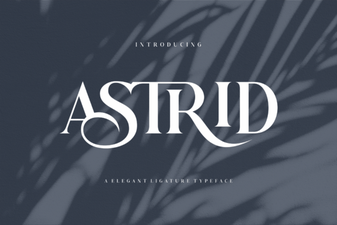 Astrid Font: a Designer's Guide for Creative Projects
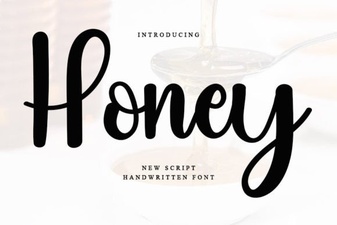 Honey Font: Creative Typography for Modern Projects
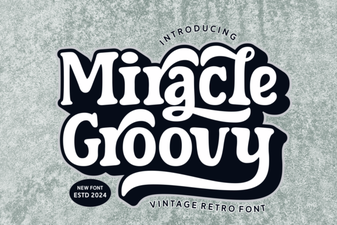 Groovy Font Guide: Creative Design Projects & Tips
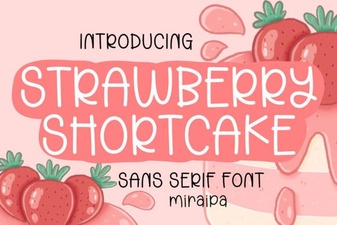 A Fun & Flair Font for Strawberry Shortcake Projects
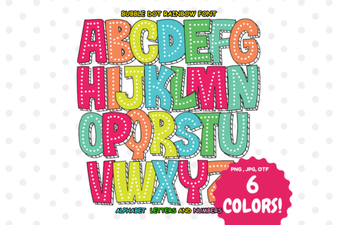 Creative Projects Using Bubble Dot Rainbow Font
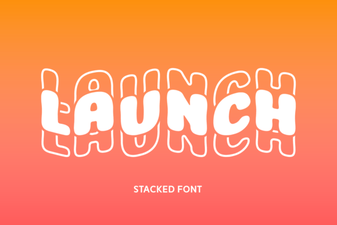 Introducing Launch Font: Design for Modern Websites